
Hearing loss can have a profound impact on daily life; however, many individuals remain uninformed about its various types, underlying causes, and the crucial role that hearing aids play in improving quality of life. This article delves into the different forms of hearing loss and the benefits of premium hearing aids. It addresses key considerations when selecting the appropriate device, including style, features, cost, and insurance coverage. Furthermore, it provides guidance on how to maintain hearing aids for optimal, long-lasting performance. By exploring this information, individuals can embark on the journey toward improved hearing.
Understanding Hearing Loss and the Need for Hearing Aids
Hearing loss is a widespread condition that affects millions of individuals, resulting in significant challenges in communication and overall quality of life. It is imperative to understand the various types and causes of hearing loss to recognise the importance of hearing aids, which play a vital role in improving auditory health and facilitating enhanced hearing.
Hearing aids serve as assistive devices that amplify sound, tailored to meet individual needs and preferences, thereby ensuring a more satisfactory listening experience. With the ongoing advancements in technology, selecting the appropriate device becomes essential, particularly for individuals experiencing varying degrees of hearing impairment.
Types and Causes of Hearing Loss
Hearing loss can be classified into several categories, including conductive, sensorineural, and mixed hearing loss, each arising from various causes that may affect auditory processing capabilities. Factors such as ageing, exposure to loud noises, and specific medical conditions contribute to this condition, highlighting the importance of consulting with an audiologist for accurate assessments.
Plus these primary classifications, environmental factors significantly influence the development and severity of hearing loss. For instance, prolonged exposure to elevated noise levels in industrial environments or during recreational activities can lead to irreversible damage to the inner ear, resulting in sensorineural hearing loss.
Individuals frequently discover that hearing loss not only impairs their ability to hear but also diminishes their overall quality of life, as communication becomes increasingly difficult. Certain medical conditions, such as ear infections or ototoxicity resulting from medications, can further exacerbate these challenges, making early detection and intervention essential for preserving hearing health.
The Benefits of Investing in Premium Hearing Aids
Investing in premium hearing aids presents numerous advantages, including superior sound quality, a comfortable fit, and advanced features specifically designed to address individual hearing needs. These devices not only enhance the listening experience but also positively influence social interactions and overall quality of life.
Premium hearing aids typically include warranties and are supported by positive user testimonials, which further reinforce their long-term benefits for auditory health.
Many users have reported a significant improvement in clarity, as premium models often employ cutting-edge technology to filter background noise, thereby enhancing the intelligibility of conversations. This feature is particularly advantageous in crowded environments where clarity is frequently compromised.
Additionally, customisable sound settings enable individuals to tailor their hearing aids according to specific surroundings, ensuring that they remain engaged without experiencing discomfort. Customers have consistently expressed satisfaction with the durability and reliability of these devices, providing reassurance regarding their investment in auditory health.
Factors to Consider When Buying Hearing Aids
When purchasing hearing aids, it is essential to consider several important factors, including style, fit, and features that correspond to individual preferences and requirements.
A comprehensive buying guide can facilitate the navigation of the various types available, ensuring that important aspects such as price comparison, compatibility with health insurance, and vital features like Bluetooth connectivity and adjustable settings are thoroughly examined.
Understanding these elements is crucial for making an informed investment in one’s auditory health.
Style, Fit, and Features
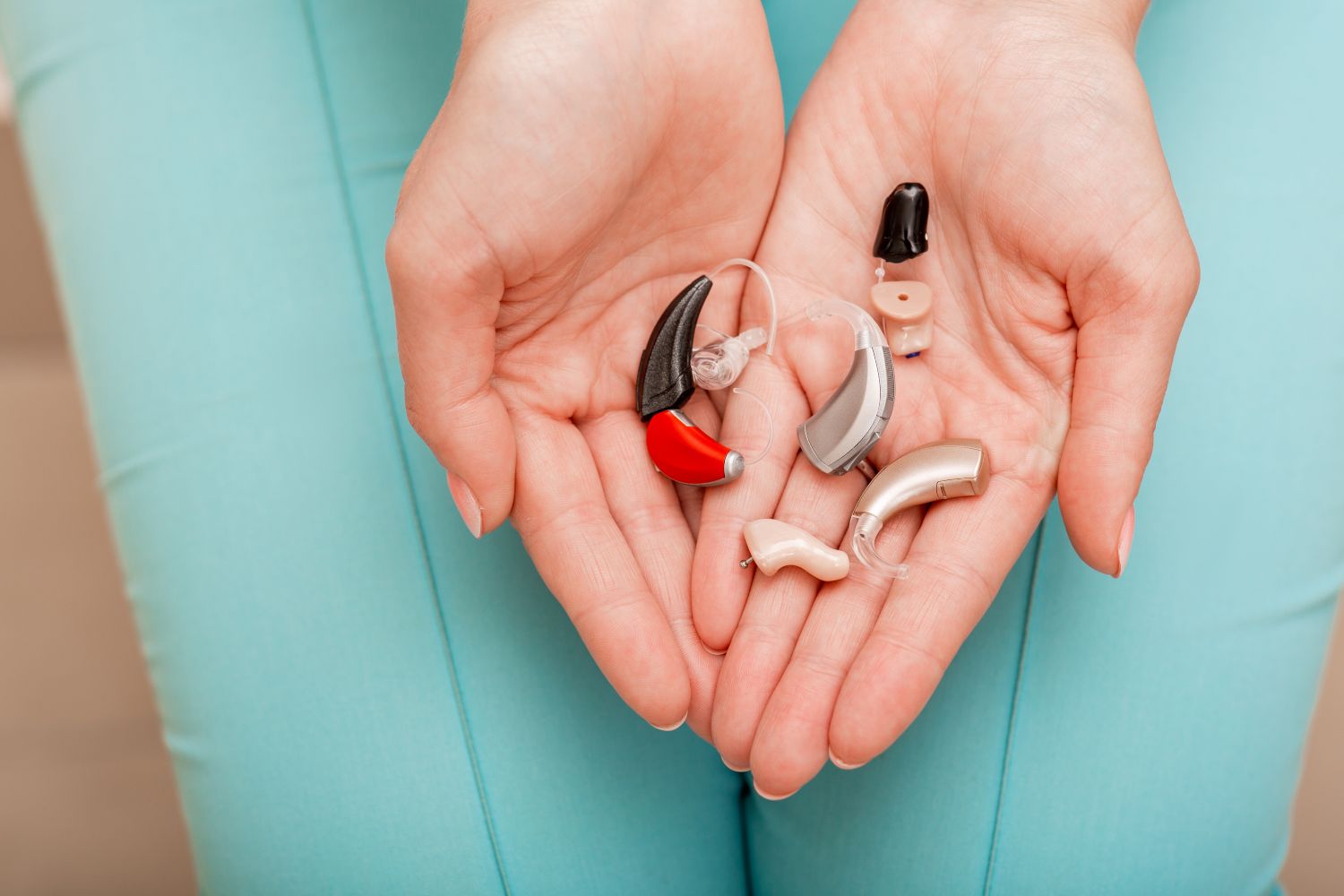
Selecting the appropriate style and fit for hearing aids is crucial for ensuring both comfort and effective sound amplification. Options are available in various designs, including in-the-ear models and behind-the-ear configurations.
The features of these devices—such as noise reduction, feedback cancellation, and Bluetooth connectivity—are integral to enhancing the user experience and facilitating seamless integration into daily activities.
Individuals have the opportunity to choose from a range of colours and materials, allowing for a more personalised aesthetic that aligns with their lifestyle. Many models are designed to be discreet, fitting comfortably and unobtrusively in or behind the ear, which is particularly appealing for those who prefer a subtle appearance.
Customisation extends beyond mere aesthetics; advanced technology allows users to adjust settings based on different environments, whether they are in bustling cafés or quiet libraries. This level of adaptability is essential, as it not only improves hearing capabilities but also significantly contributes to the overall satisfaction and confidence of the wearer.
Cost and Insurance Coverage
The cost of hearing aids can vary significantly based on type, features, and brand. It is crucial to consider financial options and insurance coverage when making a purchase. A comprehensive understanding of Medicare coverage and other financial aspects can help alleviate some of the financial burdens associated with acquiring quality auditory devices.
Exploring various pricing structures enables individuals to identify solutions that align with their budgets while effectively addressing their hearing needs. Many individuals may not be aware that various insurers, including Medicare, may provide some level of assistance, which could considerably reduce the out-of-pocket expenses for these essential devices.
Additionally, considering alternatives such as payment plans or discounts from manufacturers can offer further financial relief. By thoroughly assessing all available resources and options, consumers can make informed decisions that not only enhance their quality of life but also correspond with their financial circumstances.
How to Choose the Right Hearing Aid for You
Selecting the appropriate hearing aid necessitates a thorough evaluation of individual hearing requirements and preferences, rendering consultations with an audiologist essential for making informed decisions.
Engaging in trial periods with various devices enables individuals to assess the performance and comfort of different models, ensuring that adjustments and settings are customised to optimise the listening experience.
Consulting with an Audiologist
Engaging with an audiologist for consultations offers essential expertise in conducting comprehensive hearing assessments and guiding individuals towards personalised recommendations for hearing aids. Their extensive knowledge of auditory health ensures that patients receive tailored advice that considers specific needs and lifestyle factors.
Audiologists play a critical role in the complex hearing aid selection process, taking into account various factors such as the degree of hearing loss, the individual’s communication requirements, and personal preferences. Through careful fitting and follow-up adjustments, they ensure that hearing aids perform optimally, thereby enhancing the overall auditory experience.
Their professional recommendations typically encompass a range of features, including directionality, noise reduction, and connectivity to devices, enabling patients to make informed choices.
This customised approach not only promotes comfort but also significantly enhances the efficacy of hearing aids, allowing individuals to engage more fully with the sounds and conversations in their environment.
Trying Out Different Options
Exploring various options during trial periods is essential for identifying the most suitable hearing aid that aligns with individual preferences and lifestyle needs. This hands-on experience enables users to evaluate the compatibility and overall user experience of different models before committing to a long-term choice.
Trial periods facilitate a comprehensive assessment of features and enable users to determine how effectively each device integrates into their daily routines. Throughout this time, individuals can offer valuable feedback regarding both personal comfort and functionality in diverse environments, such as noisy social gatherings or quiet home settings.
The opportunity to experiment with different settings and accessories allows potential users to focus on what truly enhances their auditory experience, ensuring they can make an informed decision that aligns seamlessly with their unique lifestyle requirements.
Maintaining and Caring for Your Hearing Aids
Proper maintenance and care of hearing aids are crucial for ensuring their longevity and optimal performance. Regular cleaning and attention to battery life can greatly enhance their functionality.
Additionally, understanding troubleshooting techniques and utilising aftercare services enables users to effectively address potential issues, thereby preserving their investment in auditory health.
Proper Cleaning and Maintenance Techniques
Regular cleaning and maintenance of hearing aids are essential for ensuring their longevity and optimal performance. Best practices include the use of gentle cleaning solutions and appropriate storage methods. By adhering to these techniques, one can not only extend the lifespan of the devices but also maintain their effectiveness in sound amplification.
To achieve the best results, it is critical to routinely inspect the hearing aids for any debris or wax buildup, as such obstructions can significantly impede functionality. It is advisable to use a soft, dry cloth to wipe down the exterior components daily, and to utilise a small brush specifically designed for hearing aids to carefully remove any accumulated residue.
When the devices are not in use, storing them in a cool, dry location away from extreme temperatures will help protect their internal components. Additionally, employing protective cases and moisture-absorbing packets can further safeguard against humidity, ensuring peak performance over time.
Replacing Batteries and Parts
Understanding when and how to replace batteries and components of hearing aids is essential for maintaining uninterrupted functionality, especially with rechargeable batteries that necessitate specific care. Conducting regular checks and timely replacements can help prevent common issues, thereby simplifying troubleshooting processes and enhancing the overall user experience.
Users should be well-acquainted with the signs indicating that a battery replacement is required, such as diminished sound quality or rapid power drainage.
It is also crucial to routinely inspect the condition of hearing aid components, including filters and tubing, as these elements can significantly impact performance. Adopting a systematic approach to maintenance, which includes keeping spare batteries readily available, can minimise time loss and frustration.
Implementing proactive measures not only extends the lifespan of the hearing aid device but also ensures that users can depend on their hearing aids when they need them most, thereby promoting an improved auditory experience in daily life.