
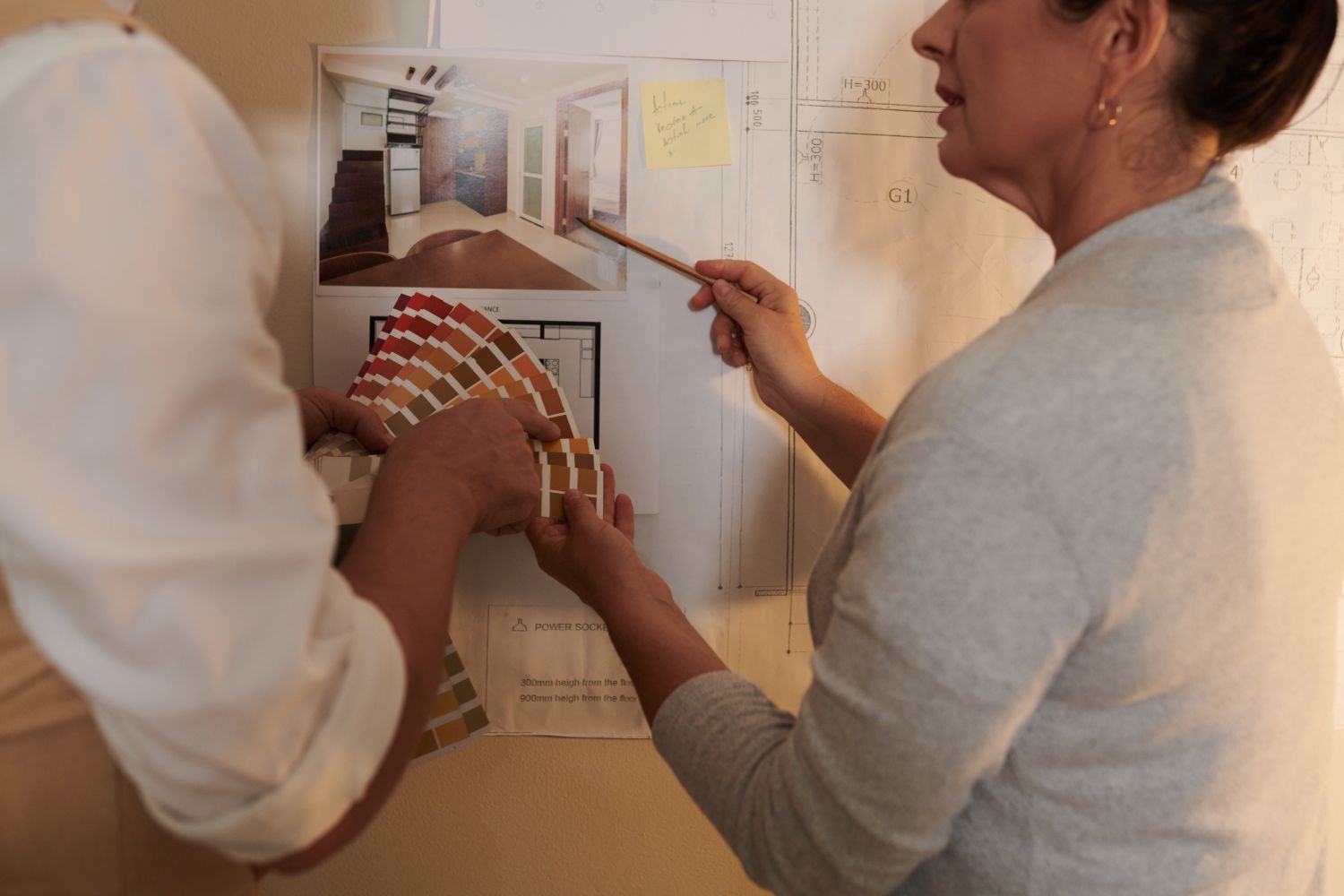
Creating an environment that authentically reflects one’s personality while fulfilling functional requirements can be a highly rewarding endeavour. It is essential to explore methods for identifying unique aesthetic preferences while also considering the practical aspects of one’s home. Understanding the process of developing a cohesive design plan is crucial, encompassing elements such as selecting an appropriate colour palette, incorporating texture, and utilising strategic lighting. Furthermore, discovering how to choose furniture and decor that harmoniously complement one another, while also expressing personal style, is vital. Prepare to transform your home into a meticulously tailored sanctuary.
Understanding Your Personal Style
Understanding one’s personal style is a fundamental aspect of creating a tailored home that reflects individuality through intentional interior design and home décor choices. This process involves exploring various design elements that resonate personally, including colour palettes, textures, and patterns, while also considering the aesthetic appeal of the living space.
By identifying personal preferences and aligning them with practical considerations such as comfort and functionality, individuals can cultivate an environment that enhances family dynamics and meets lifestyle needs effectively.
Identifying Your Aesthetic Preferences
Identifying aesthetic preferences is a critical step in the interior design process, as it establishes the overall look and feel of a living space. This involves a thorough understanding of personal style, the design themes that resonate with individual tastes, and the impact of colour psychology on mood and ambience.
By exploring various styles, such as contemporary aesthetics or vintage décor, one can develop a cohesive design that reflects these preferences and enhances the visual hierarchy of the home.
An effective method to further explore these preferences is to create mood boards that visually compile favourite colours, textures, and patterns. Engaging with design inspiration from platforms such as Pinterest or Instagram can reveal a diverse array of styles, helping with the identification of trends that are personally appealing.
Once a clearer understanding of aesthetic preferences is achieved, the integration of these elements into a unified décor scheme presents an exciting challenge. It is essential to balance style with functionality; therefore, consideration should be given to how design choices not only create an appealing visual experience but also address everyday needs, ensuring that the space is both aesthetically pleasing and practical.
Considerations for Functional Needs
When designing a home, it is imperative to consider functional needs in order to create spaces that effectively support one’s lifestyle. This involves evaluating the functionality of each room to ensure that every area meets the demands of daily life while providing both comfort and aesthetic appeal.
Elements such as family-friendly design and the incorporation of multifunctional furniture can significantly enhance space optimisation, enabling adaptability for various activities and family dynamics.
Along with thoughtful layouts, the integration of smart home technology can substantially elevate convenience and efficiency. For example, automated lighting and smart thermostats not only provide ease of use but also contribute to energy savings.
Selecting sustainable materials, such as reclaimed wood or low-VOC paints, demonstrates a commitment to environmental responsibility while enhancing the visual appeal of the design.
By balancing practicality with modern innovations, homeowners can create spaces that are not only visually striking but also foster a harmonious and functional living experience.
Creating a Cohesive Design Plan
Developing a cohesive design plan involves the integration of various elements that work in harmony to enhance both the aesthetic appeal and functionality of a given space.
This process requires careful consideration of fundamental design principles, including balance, scale, and contrast, along with a thoughtful selection of colour palettes that align with the individual’s personal style.
Additionally, the incorporation of effective lighting design plays a critical role in elevating the ambience of each room, ensuring that every corner of the home is inviting and meticulously curated.
Choosing a Color Palette
Selecting a colour palette is one of the most significant decisions when creating an inviting and aesthetically pleasing home environment. The colours chosen not only reflect individual style but also influence the mood of the living space through the principles of colour psychology.
Whether one prefers bold hues or tranquil tones, aligning the colour palette with specific design themes can transform the home and facilitate seasonal decor adaptations that maintain a fresh ambience.
Employing techniques such as the 60-30-10 rule, where 60% of the space is occupied by a dominant colour, 30% by a secondary shade, and 10% by an accent colour, can help achieve a balanced and harmonious atmosphere. The use of complementary colours can create a vibrant yet cohesive appearance, while analogous colours can provide a more serene and soothing effect.
In open-plan areas, strategically applying colour to delineate distinct spaces—such as a cosy reading nook versus a lively dining area—can guide the eye and enhance functionality without the necessity of physical barriers. This thoughtful approach ensures that each zone feels purposeful and well-designed.
Incorporating Texture and Pattern
Incorporating texture and pattern into a design scheme enhances depth and visual interest, effectively transforming a straightforward room into a captivating space. By thoughtfully layering various design elements, one can create a cosy atmosphere that encourages interaction and engagement within the home.
Whether through the use of textiles, wall art, or statement furniture, embracing aesthetic trends that emphasise texture and pattern elevates interior design, resulting in a curated environment that reflects personal style.
To successfully blend these elements, it is advisable to begin with a neutral base, allowing vibrant patterns and rich textures to take centre stage. Fabrics such as velvet or linen may be combined with bold prints in cushions and throws to create a dynamic ambience. Additionally, incorporating wallpaper featuring intricate designs or textured finishes can serve as a stunning focal point while providing a backdrop for other décor.
Accessories like patterned rugs, artistic ceramics, and metallic accents can contribute layers of interest to the overall design. It is essential to strive for harmony by balancing dense patterns with open spaces, ensuring that each piece complements rather than competes with others. This intentional arrangement fosters a sense of cohesion while maintaining a high level of creativity.
Selecting Furniture and Decor
The selection of appropriate furniture and décor plays a crucial role in establishing functional spaces that not only reflect personal style but also enhance the comfort and usability of one’s home.
This process entails choosing statement furniture pieces that act as focal points, along with integrating bespoke interiors tailored to individual lifestyle requirements.
By understanding the balance between aesthetics and functionality, one can create a harmonious environment that is both inviting and practical.
Strategic Placement for Flow and Function
The strategic placement of furniture plays a crucial role in establishing flow and functionality within a living space, thereby facilitating an efficient and enjoyable user experience. By carefully considering the room layout and optimising available space, one can create designated zones that encourage interaction while preserving a sense of openness and accessibility.
An effective furniture arrangement not only enhances the practicality of the space but also significantly contributes to its overall aesthetic appeal.
To achieve a balanced arrangement, it is essential to pay close attention to traffic patterns, ensuring that pathways are clear and sufficiently wide to allow for easy movement. Grouping furniture into conversational clusters can promote interaction, provided there is adequate space between pieces to prevent clutter.
In smaller areas, the incorporation of multifunctional furniture, such as ottomans that serve as storage or coffee tables that can extend for dining, offers practical solutions without compromising on style.
These considerations not only maximise usability but also contribute to the creation of a harmonious environment in which each piece plays a role in the overall design while fulfilling its intended purpose.
Mixing and Matching Styles
Mixing and matching styles can be an effective method for expressing one’s personal aesthetic while creating a unique and inviting environment. By blending elements from various design themes, such as contemporary aesthetics with traditional craftsmanship, individuals can achieve a more personalised look that reflects their identity and lifestyle.
The key to successful style integration lies in maintaining a cohesive approach, ensuring that all elements complement one another and contribute to a harmonious overall design.
One effective strategy is to select a shared colour palette that unifies the diverse styles, creating a visual connection among them. Incorporating textures is also crucial; for example, pairing a sleek leather sofa with a knitted throw can soften the space and add depth. Patterns present another opportunity for cohesion; consider utilising similar geometric shapes in artwork or textiles across different design elements.
Furthermore, exploring vintage décor or cultural influences can enhance the design; for instance, a handmade Moroccan rug may serve as a focal point in a modern living room, infusing it with a rich historical context.
It is advisable to integrate such pieces gradually, allowing them to fit seamlessly into the overall design and ensuring that each item contributes meaningfully to the narrative of the space.
Incorporating Personal Touches
Incorporating personal touches into decor is essential for creating spaces that foster emotional connections and communicate one’s unique narrative. This can be accomplished through thoughtfully curated areas filled with meaningful accessories, art, and decor items that reflect individual journeys and interests.
Whether it involves displaying family photographs, travel souvenirs, or handmade crafts, these elements infuse warmth and character into a home, rendering it inviting and distinctly personal.
One effective approach to achieving this is through the design of a gallery wall, where a combination of framed pictures, art pieces, and wall-mounted treasures can serve as a focal point that highlights cherished memories.
Additionally, integrating DIY projects, such as handcrafted shelves or personalised decor items, allows for an even greater expression of individual creativity.
It is crucial, however, to maintain a sense of balance and harmony within the overall design. This ensures that while each personal item is distinct, it also complements the existing aesthetics, contributing to a cohesive and welcoming environment.