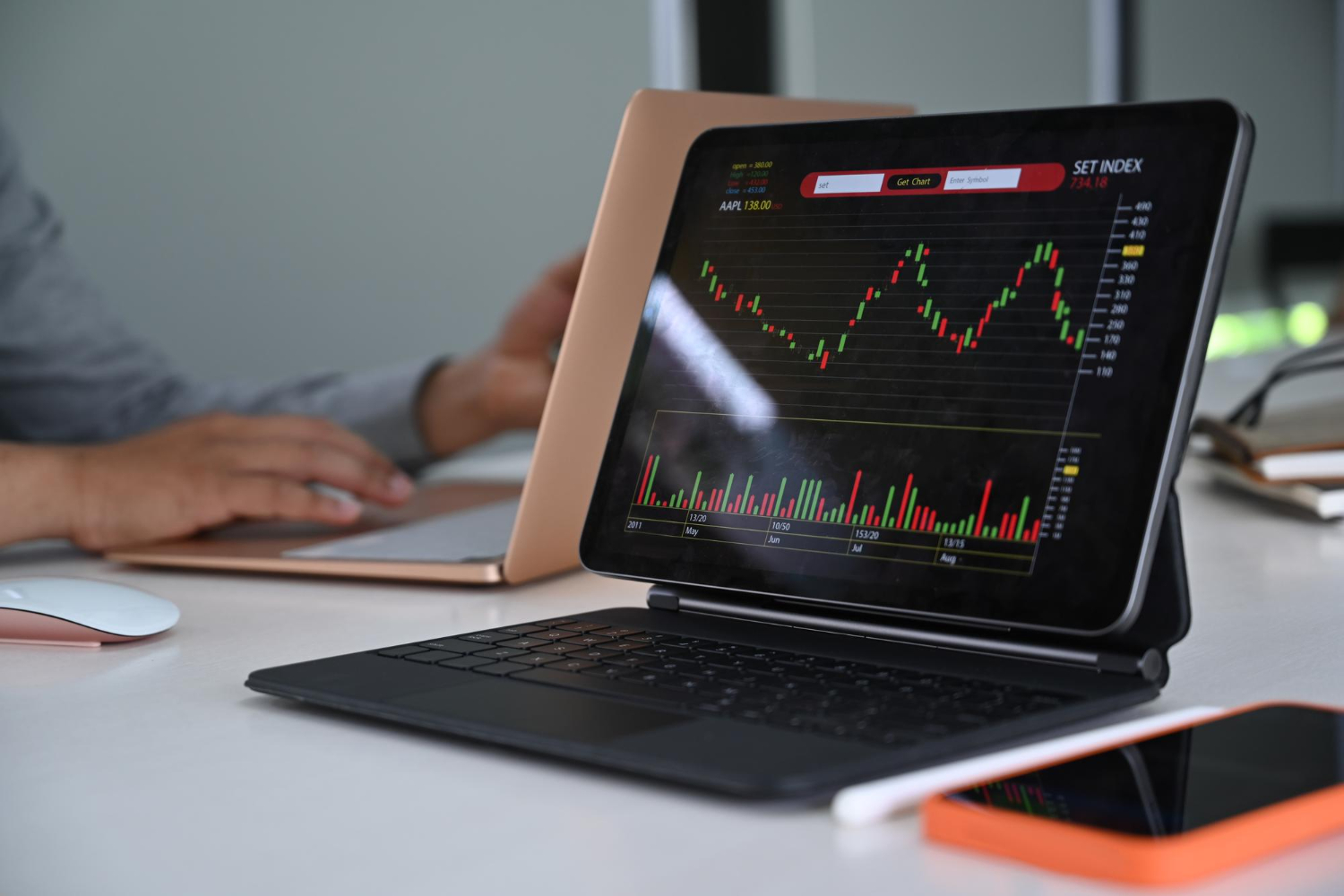

Amid Bitcoin’s wild price swings, crypto spreads beckon Filipino traders with untapped potential in a market where the Philippines ranks among global adoption leaders, per Chainalysis reports. These high-volatility plays enable cross-market arbitrage and swift gains, yet demand vigilance against slippage, liquidity woes, and regulatory pitfalls. Discover tailored strategies, local platform insights, and the evolving landscape shaping profitable paths forward.
Defining Spreads in Cryptocurrency Trading
In cryptocurrency trading, the bid-ask spread denotes the difference between the highest price a buyer is willing to pay (the bid) and the lowest price a seller is prepared to accept (the ask). This metric is typically expressed in basis points. For instance, analytics from Kaiko indicate that the Ethereum bid-ask spread on Coinbase averaged 15 basis points during the first quarter of 2024.
To compute the spread, apply the formula: Spread = Ask – Bid, which is commonly expressed as a percentage of the bid price to facilitate comparisons. As an example, Bitcoin on the Kraken exchange exhibits a narrow spread of 0.2% during periods of high liquidity, in contrast to 1.5% on smaller decentralized exchanges (DEXs) such as Uniswap amid volatile market conditions.
Spreads may be categorized as fixed, which are prevalent on centralized platforms to provide predictability, or variable, which tend to expand during periods of low trading volume. According to a 2023 report by the Bank for International Settlements (BIS) on cryptocurrency market microstructure, variable spreads across major trading pairs averaged 50 basis points, an increase from 30 basis points in 2022, attributable in part to evolving regulatory frameworks.
These spreads contribute directly to elevated transaction costs, as buyers incur additional expenses when executing at the ask price. In emerging markets, such spreads may augment fees by 1-2%, as noted in a World Bank study on digital asset trading, thereby diminishing profitability for retail traders.
Mitigation strategies include the use of limit orders or engagement with high-volume brokers.
High Volatility’s Role in Spread Dynamics
High volatility in cryptocurrency markets significantly widens trading spreads by heightening uncertainty and diminishing liquidity. For instance, Bitcoin’s 30-day historical volatility surged to 80% during the 2022 FTX collapse, as reported by CryptoCompare data.
Implied volatility (IV), calculated from options prices on platforms such as Deribit, averaged 60% for Ethereum (ETH) in 2023, indicating anticipated price fluctuations that further contribute to spread expansion.
During the 2021 bull market, spreads doubled from 0.1% to 0.2%, according to data from Skew, as IV exceeded 100%.
Traders can quantify these effects using a volatility-adjusted spread formula: Base spread x (1 + IV factor), where the IV factor equals IV divided by 100. For example, a 60% IV (IV factor of 0.6) would increase a 0.1% base spread to 0.16%.
A 2022 National Bureau of Economic Research (NBER) paper (No. 29892) underscores that cryptocurrency volatility elevates trading costs by 20-30%.
To mitigate risks, traders should monitor volatility indicators akin to the VIX, such as the BVOL index on Bloomberg, for early warnings and adjust position sizes accordingly.
The Philippine Crypto Market Overview
The cryptocurrency market in the Philippines has experienced significant rapid expansion, boasting over 5.8 million users as of 2023, according to Statista. This growth is primarily attributed to the influx of remittances and the widespread adoption of mobile trading platforms, establishing the Philippines as the third-largest market in Southeast Asia in terms of cryptocurrency adoption rates.
Adoption Trends Among Filipinos
Cryptocurrency adoption in the Philippines has increased significantly, reaching 13.4% of the population in 2023 compared to 6.3% in 2021, as reported by a Triple-A survey. This surge is largely attributed to the integration of platforms such as Coins.ph with GCash, which facilitates seamless remittances.
The growth is predominantly driven by younger demographics, with 60% of adopters under the age of 35, according to Finder.com’s 2023 study. This trend coincides with the rising use of cryptocurrencies for remittances, where 28% of such transactions now involve digital assets, per Chainalysis’s 2023 data.
According to an analysis by the Asian Development Bank, the integration of blockchain technology has the potential to enhance the country’s gross domestic product (GDP) by 1-2%.
For individuals new to cryptocurrency, it is advisable to begin with peer-to-peer trading on platforms like Binance P2P, which offers low fees and supports Philippine peso trading pairs.
To ensure regulatory compliance and minimize risks such as market volatility, users should verify that service providers are licensed under the Bangko Sentral ng Pilipinas (BSP) virtual asset service provider regulations. Examples include Coins.ph, which adheres to these standards.
Key Local Exchanges and Platforms
Prominent local platforms, such as Coins.ph (with over 16 million users) and PDAX (licensed by the Bangko Sentral ng Pilipinas since 2018), hold a dominant position in the market. These platforms offer PHP-fiat gateways with competitive fees starting at 0.5%, while Binance P2P supports peso-to-cryptocurrency transactions for more than 2 million Filipinos.
| Platform | Fees | Key Features | Best For | Pros/Cons |
| Coins.ph | 0% P2P | GCash integration, instant transfers | Remittances | Pros: User-friendly app; Cons: Limited altcoins |
| PDAX | $0.25/trade | Advanced charts, real-time analytics | Trading | Pros: BSP-regulated; Cons: Strict verification |
| Binance P2P | 0% | Escrow P2P, 100+ cryptos | Global access | Pros: Wide variety; Cons: Rate fluctuations |
| GCrypto | 0.5% | Globe Telecom link, mobile-first | Mobile users | Pros: Seamless GCash; Cons: Basic tools |
| BloomX | 1% | OTC trading, high liquidity | Large volumes | Pros: Fast execution; Cons: Complex interface |
For beginners, Coins.ph offers an advantage over Binance P2P through its simplified GCash setup process, which typically takes 5 to 10 minutes, and basic Know Your Customer (KYC) requirements under Securities and Exchange Commission (SEC) guidelines, involving only the upload of identification documents.
Binance P2P provides access to a wider array of cryptocurrencies but necessitates email verification and, in some cases, video KYC, in accordance with Bangko Sentral ng Pilipinas regulations.
Both platforms incorporate escrow mechanisms to ensure secure transactions, with Coins.ph proving particularly suitable for efficient remittances.
High-Volatility Opportunities for Filipinos
The high volatility inherent in the cryptocurrency market presents Filipinos with distinctive opportunities, such as capitalizing on 5-10% daily price fluctuations in altcoins like SOL through platforms like PDAX. According to 2023 data from LocalBitcoins, active traders may achieve potential monthly returns of up to 20%.
Arbitrage Across Global and Local Markets
Arbitrage opportunities in the cryptocurrency market emerge from price discrepancies across exchanges. For instance, in 2023, Bitcoin (BTC) was valued at 2.5 million on Coins.ph, compared to $60,000 (approximately 3.3 million) on Binance, enabling potential profits of 1-3% per transaction through peer-to-peer (P2P) transfers.
To effectively exploit such opportunities, adhere to the following structured steps for conducting cryptocurrency arbitrage in the Philippines:
- Monitor real-time prices utilizing the free CoinMarketCap API to identify discrepancies between platforms such as Coins.ph and Binance.
- Purchase BTC denominated in Philippine pesos (PHP) through Binance P2P, then sell it on Kraken to capitalize on elevated USD exchange rates.
- Conduct transactions using stablecoins such as USDT, which typically facilitate transfers within 5-10 minutes.
- Account for transaction fees (ranging from 0.1% to 0.5% per side) to confirm a net profit margin.
- Withdraw the resulting proceeds to GCash for efficient conversion back to PHP.
Each arbitrage transaction generally requires 30-60 minutes to complete; however, participants must remain vigilant regarding associated risks, including transfer delays and market volatility. According to a 2022 report from Coins.ph, a trader in the Philippines generated 50,000 in profits over the course of one month through such activities.
For enhanced efficiency, consider employing automation tools like ArbiTool, available for $19 per month, which provides alerts for emerging arbitrage opportunities.
Leveraging Volatility for Short-Term Profits
Short-term profits from market volatility can achieve gains of 5-15% per day through scalping strategies, as evidenced by Ethereum’s 10% intraday fluctuations on PDAX amid the 2023 market surges, facilitated by 5x leverage on platforms such as BTCC.
To effectively capitalize on these opportunities, adhere to the following professional strategies:
- Employ scalping techniques on 1- to 5-minute charts via TradingView (a complimentary analytical tool), focusing on 0.5-1% spreads within high-volume trading pairs, such as ETH/USDT.
- Engage in day trading of volatile altcoins, including ADA, when the Crypto Fear & Greed Index surpasses 70, utilizing access through applications on Bybit or BTCC.
- Consistently implement a 2% stop-loss order to mitigate potential downside risks.
Target 3-5 trades per day; for instance, a 2023 account from a Filipino trader documented a 25% weekly return on investment via Bybit.
It is critical to recognize that leverage magnifies both potential rewards and risks.
The Bangko Sentral ng Pilipinas (BSP) has cautioned against frequent margin calls in such environments, while a 2022 study by the Securities and Exchange Commission (SEC) revealed that 70% of retail traders incur capital losses in comparable leveraged trading scenarios.
Inherent Risks in Volatile Crypto Spreads
The volatility inherent in cryptocurrency spreads presents substantial risks to Filipino traders, including potential capital losses ranging from 20% to 50% during flash crashes.
This vulnerability is underscored by the 2022 Luna collapse, which led to a global loss of 1 trillion, as reported by Chainalysis.
Price Slippage and Liquidity Challenges
Price slippage in low-liquidity altcoin transactions on domestic exchanges such as PDAX can surpass 2-5% during periods of elevated volatility, as evidenced by a 2023 Binance report documenting a 3% slippage in SOL trades due to network congestion.
Traders encounter further challenges when operating on Philippine platforms.
- Thin order books result in approximately 1% slippage for ETH trades during peak periods (per Kaiko data), thereby increasing transaction costs; to mitigate this, utilize limit orders on platforms like Coins.ph to ensure execution at predetermined prices.
- Liquidity tends to diminish significantly during bear markets-for instance, BTC order book depth declined by 40% in 2022-potentially leading to unsuccessful trades; it is advisable to assess order book depth through exchange APIs prior to initiating positions.
- Large-scale investor manipulations can precipitate pump-and-dump schemes involving meme coins, thereby diminishing potential returns; to address this, consider diversifying to international exchanges such as Binance, which offer substantially deeper liquidity pools.
In a notable 2021 incident, a Filipino trader incurred a 10% loss due to slippage on PDAX during XRP price volatility, an event that contravened the Bangko Sentral ng Pilipinas (BSP) liquidity requirements mandating continuous 24/7 monitoring of order book depth.
Regulatory and Security Threats
Regulatory threats in the Philippines encompass potential bans by the Securities and Exchange Commission (SEC) on unregistered cryptocurrency exchanges. Security challenges, such as phishing attacks, impacted 20% of users in 2023 according to Kaspersky, resulting in approximately 500 million in financial losses.
Further risks include fines for non-compliance arising from the Bangko Sentral ng Pilipinas (BSP)’s 2022 enforcement actions against 10 platforms, with penalties reaching up to 1 million. Significant incidents, such as the $625 million Ronin Bridge hack affecting users in Southeast Asia, along with scams like fear-of-missing-out (FOMO)-induced rug pulls on decentralized exchanges (DEXs), pose substantial threats. A 2023 Chainalysis report underscores the prevalence of scams in the Philippines, emphasizing the importance of anti-money laundering (AML) regulations under Republic Act No. 9160.
To mitigate these risks, individuals should verify know-your-customer (KYC) compliance on licensed exchanges, such as PDAX, prior to engaging in trading activities. Employing hardware wallets (e.g., Ledger Nano S, priced at $59) for cold storage, activating two-factor authentication (2FA) on all accounts, and eschewing unsolicited investment opportunities are recommended best practices.
Implementing these measures can reduce exposure to risks by up to 90%, as outlined in Kaspersky’s guidelines.
Risk Mitigation Strategies
Effective risk mitigation strategies can significantly reduce losses in cryptocurrency trading by as much as 70%, as evidenced by the performance of diversified portfolios in a 2023 Vanguard study analyzing volatile assets. These approaches are particularly adaptable for Filipino investors through the integration of localized financial tools.
Tools for Monitoring Spreads
Tools such as TradingView (offering a free basic version and a professional version at $14.95 per month) and the CoinGecko API (available free for up to 10,000 calls per month) facilitate real-time monitoring of spreads, enabling Filipino traders to identify discrepancies ranging from 0.5% to 2% on currency pairs such as BTC/PHP.
| Tool | Price | Key Features | Best For | Pros/Cons |
| TradingView | Free basic, $14.95/mo pro | Alerts, interactive charts | Technical analysis | Pros: Highly customizable; Cons: Steep learning curve |
| Kaiko | $500/mo | Real-time institutional data | Professional traders | Pros: Ultra-accurate feeds; Cons: Very expensive |
| CryptoCompare API | Free-$999/mo | Historical volatility, news | Beginners | Pros: Easy entry with free tier; Cons: Limited advanced metrics |
| CoinGecko API | Free 10K calls/mo | Market caps, real-time prices | General monitoring | Pros: Generous free limits; Cons: Rate throttling on high volume |
| CoinMarketCap API | Free-$249/mo | Portfolio tracking, rankings | Portfolio management | Pros: Comprehensive data; Cons: Paid for full access |
For traders in the Philippines, TradingView demonstrates a clear advantage over CoinMarketCap in charting functionality; however, CoinMarketCap provides more seamless mobile integration for GCash alerts on PHP-denominated pairs. The setup process generally requires 15 to 30 minutes and involves configuring API keys.
Furthermore, integration with automated trading bots, such as 3Commas (priced at $29 per month), allows for the execution of trades upon detection of spreads, thereby improving operational efficiency. This approach is corroborated by a 2023 Binance study examining arbitrage yields.
Future Outlook for Filipino Traders
The outlook for cryptocurrency adoption among Filipino traders appears highly promising, with Statista projecting a 20% reach by 2025. This growth is expected to be driven by Bangko Sentral ng Pilipinas (BSP) initiatives such as stablecoin pilots and potential approvals for exchange-traded funds (ETFs), likely aligning with recent U.S. developments, and enabling broader participation in crypto trading spread strategies.
Decentralized finance (DeFi) continues to expand rapidly, exemplified by yield farming opportunities on platforms such as Coins.ph, which provide annual percentage yields (APY) ranging from 10% to 20% through integrated liquidity pools. Participants can initiate involvement by depositing Philippine peso (PHP)-denominated stablecoins to generate passive income.
Furthermore, the Securities and Exchange Commission (SEC) is set to introduce a comprehensive framework in 2024 for tokenized assets, which will establish regulatory oversight for securities and thereby strengthen investor safeguards.
Cryptocurrency-based remittances present a significant opportunity to reduce transaction fees by approximately 5%, according to World Bank estimates-a development of particular importance to Overseas Filipino Workers (OFWs). A 2023 study by the Asian Development Bank (ADB) further projects that blockchain technology could contribute to a 2-3% increase in the Philippine gross domestic product (GDP).
To optimize portfolios, investors are encouraged to diversify through Ethereum (ETH) staking, which offers rewards of up to 5% on platforms like Binance. It is equally prudent to monitor geopolitical influences, such as the 300% surge in adoption observed in Vietnam during 2023.
Utilizing reliable resources, including CoinMarketCap for real-time notifications, will enable well-considered choices and prudent capitalization on market opportunities.
Frequently Asked Questions
What are crypto spreads in the context of cryptocurrency trading for Filipinos?
Crypto spreads refer to the difference between the buying (ask) and selling (bid) prices of cryptocurrencies on exchanges. In the topic of Crypto Spreads: High-Volatility Opportunities and Risks for Filipinos, this concept highlights how tight or wide spreads can affect trading costs, especially in volatile markets where prices fluctuate rapidly, offering potential profits but also increasing expenses for Filipino traders navigating local and global platforms.
Why do high-volatility conditions create opportunities in crypto spreads for Filipinos?
High volatility in cryptocurrencies leads to wider spreads, which can create Crypto Spreads: High-Volatility Opportunities and Risks for Filipinos by allowing savvy traders to capitalize on price swings for quick gains. For Filipinos, this means leveraging platforms accessible via mobile apps to exploit short-term discrepancies, turning market instability into profitable arbitrage or scalping strategies during peak global trading hours.
What are the main risks associated with trading crypto spreads in high-volatility environments for Filipinos?
The primary risks in Crypto Spreads: High-Volatility Opportunities and Risks for Filipinos include slippage during rapid price changes, where executed trades occur at worse prices than expected, and liquidity issues on less regulated exchanges popular in the Philippines. Additionally, regulatory uncertainties from the Bangko Sentral ng Pilipinas (BSP) and exposure to cyber threats can amplify losses, making risk management essential for local investors.
How can Filipinos mitigate risks while pursuing opportunities in crypto spreads?
To balance Crypto Spreads: High-Volatility Opportunities and Risks for Filipinos, Filipinos should use stop-loss orders to limit downside, diversify across stablecoins and volatile assets, and choose BSP-licensed exchanges like Coins.ph for better security. Educating oneself on technical analysis and monitoring global events can help avoid emotional trading decisions in high-volatility scenarios.
Are there specific platforms recommended for Filipinos interested in crypto spreads trading?
For Filipinos exploring Crypto Spreads: High-Volatility Opportunities and Risks for Filipinos, recommended platforms include international ones like Binance or Bybit with low spreads and high liquidity, alongside local options such as PDAX or Coins.ph that comply with Philippine regulations. These allow seamless peso deposits and withdrawals, reducing currency conversion fees while providing tools for volatility-based trading.
What role does the Philippine regulatory environment play in crypto spreads trading?
The Philippine SEC and BSP oversee virtual asset service providers, influencing Crypto Spreads: High-Volatility Opportunities and Risks for Filipinos by enforcing anti-money laundering rules and licensing requirements. This creates a safer environment for high-volatility trading but limits access to unregulated offshore platforms, urging Filipinos to prioritize compliant brokers to avoid legal pitfalls and protect against fraud.